Under six months to the first paying subscribers, solo
2026-09 · 5 min read
I made the first commit on Tallyroot in the spring of 2026. Less than half a year later it has paying subscribers, monthly and yearly. Nobody was sold to. They found it, tried it, and paid.
Tallyroot is a personal finance app for people whose money is in more than one currency: budget, investments, and loans in one place. I build it alone, next to a full-time job. Since the summer an autonomous agent loop writes a lot of the code - that has its own post. This one is about the part the agents can’t do for me: getting someone to pay.
Why I built it
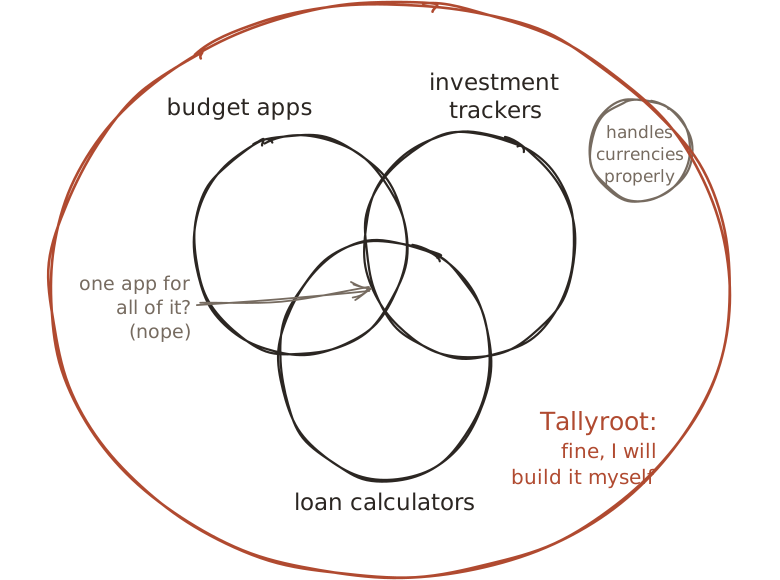
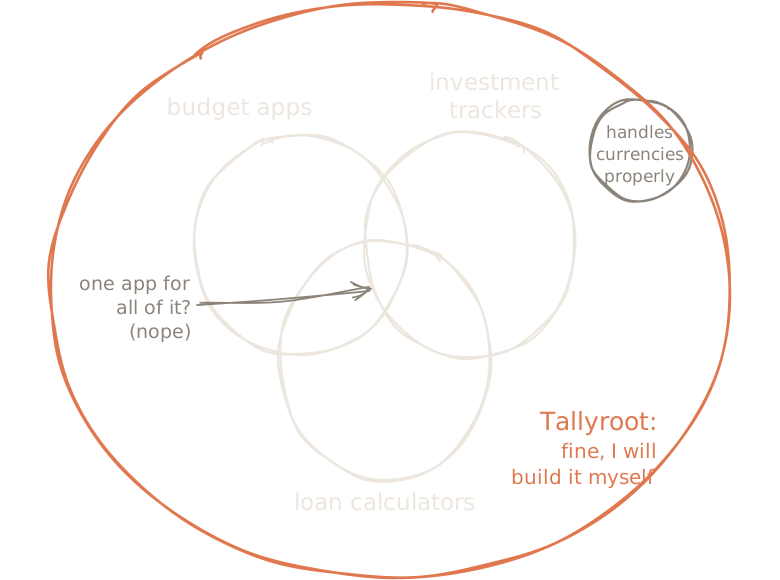
I built it for myself first. My money lives in more than one currency, and nothing I tried covered all of it: budget, loans, investments, the lot. Every app did one piece, and none of them handled currencies properly. I wanted one place for everything.
As a senior software engineer, I did the only thing that makes sense for people like us: build it myself. Less than half a year later, it turns out I wasn’t the only one who wanted it.
Early signups churned
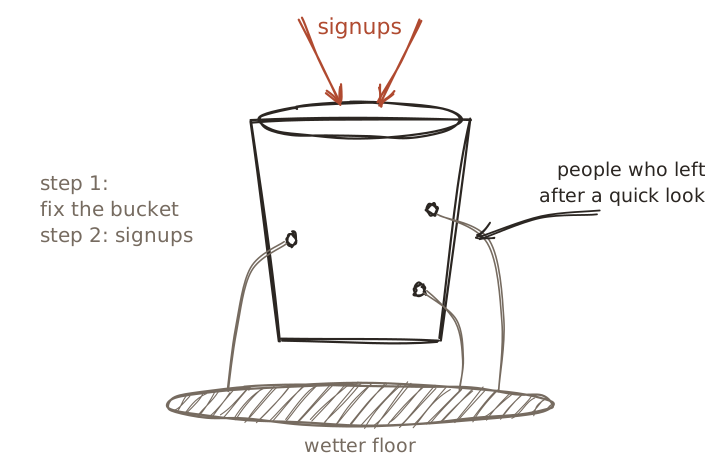
Most of the first signups left after a quick look. The only real feedback I got listed three problems: no mobile app, not enough value, too much manual work. So, most of the app.
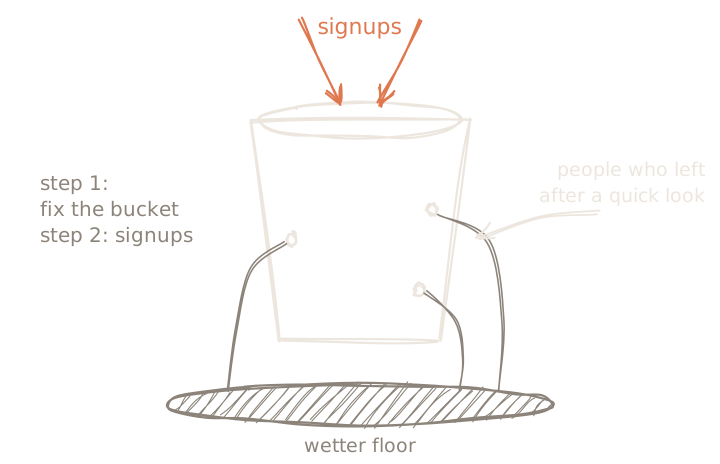
That meant acquisition and retention were both broken. Pouring more signups into a leaking bucket just gets you a wetter floor, and fixing the bucket is pointless if nobody shows up. So I went for cheap, steady acquisition, just enough signups for the churn to tell me something, and saved one-off launches like Product Hunt for when people actually stay. You only get to launch once.
No bank connection
Most finance apps connect to your bank and pull transactions in automatically. GoCardless, the affordable way into European banks, stopped taking new registrations. Decision made for me. The other aggregators cost more than a side project should.
For people like me, no single aggregator covers everything anyway. We already import files or write our own connectors.
So Tallyroot is built for that. Multi-currency and FX are first-class, import works with CSV and OFX, and there’s a TypeScript SDK for anyone who’d rather write code than click through an import screen.
What Search Console showed
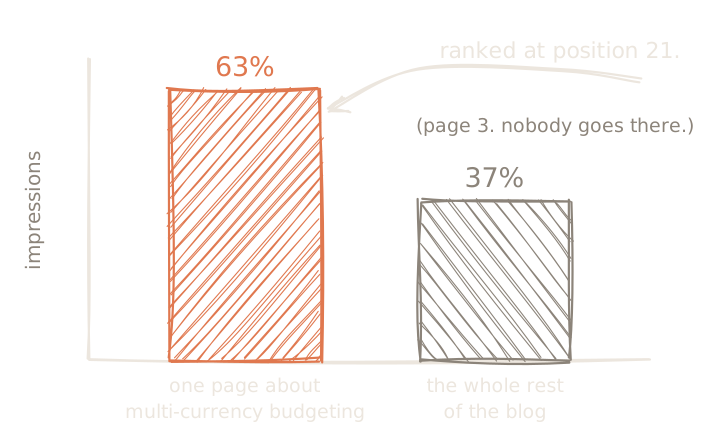
Over the three months to the end of May, the blog had about 2,000 impressions at an average position of 17.5. Almost every query was about multiple currencies. One page, about budgeting software for multiple currencies, had 63% of the impressions, at position 21. Plenty of people searching for exactly what I built, just not on the page where anyone looks.
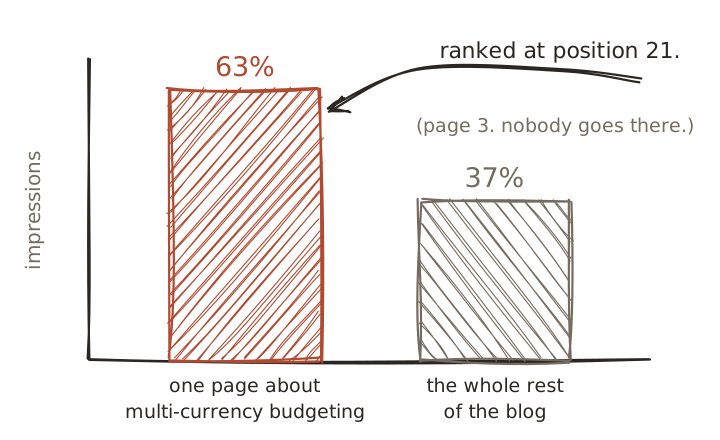
The pages people did engage with were about expats, switching budget apps without losing history, and importing CSV and OFX. So that’s who it’s for.
It also explained the rankings. My posts were written as pitches for Tallyroot, and for those searches Google shows neutral comparisons of several apps. I rewrote the two biggest ones as comparisons, feature tables and all. If they still don’t climb, the problem is backlinks, and that’s a much slower game.
Pricing
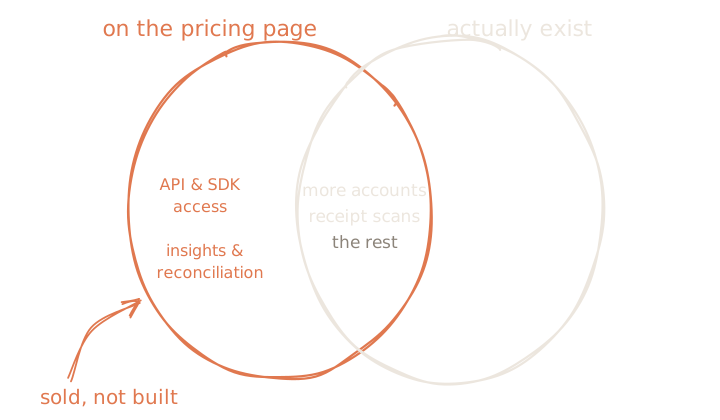
Premium is €3.99 a month or €39 a year. When I checked the pricing page against the code, I found I was selling two features that didn’t exist: API and SDK access, and something called “insights and reconciliation”. Luckily nobody was paying yet.
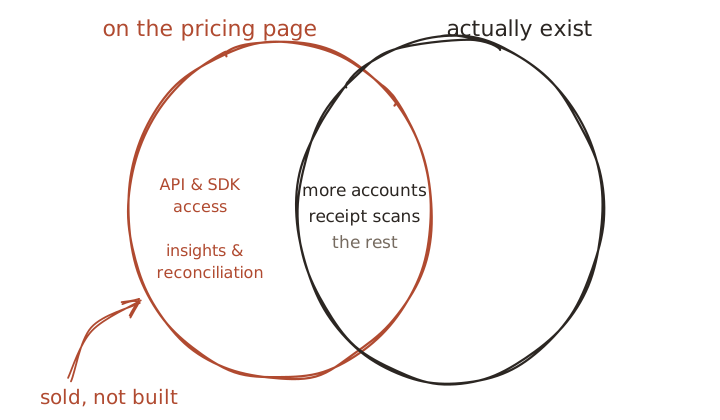
Instead of building the gates, I made the SDK free and took both off the page. The SDK is how this crowd gets in, and charging for the door seemed like a bad idea.
Premium now gets you more than three accounts, unlimited receipt scans, and portfolio and investment tracking. The account limit fits the audience, since people with money in several currencies rarely have just three accounts.
But the real reason it’s worth €3.99 is the part most finance apps treat as an afterthought: multi-currency done properly. Every account keeps its own currency, daily ECB rates convert it, and a second provider covers the currencies ECB doesn’t publish. Your net worth in your home currency is the actual number, not a guess with a flag icon next to it. Forecasting is next: will I make it to payday, can I afford this.
The first subscribers
The first subscriptions came this autumn, monthly and yearly, from people with money in more than one currency. Exactly the audience the search data pointed to, which is a nice change from being wrong.
Someone paying a year up front for a new app built by one person is trusting it quite a lot. It also means the multi-currency part can’t break, because that’s what they’re paying for. So for now reliability comes before chasing more users.
Next
It’s early. I count active subscriptions, not everyone who ever paid, so churn can’t hide. The first renewal is the real test.
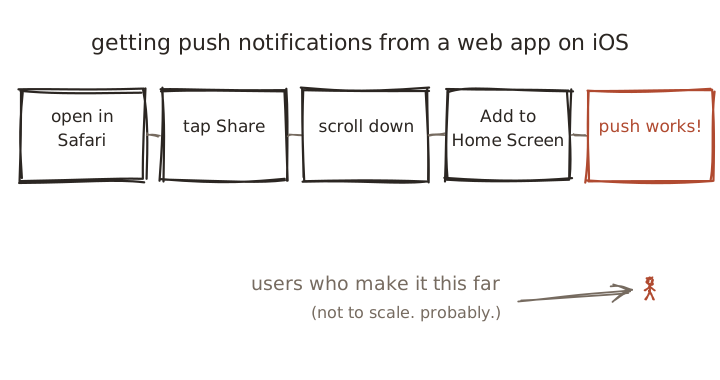
A mobile app is coming, React Native with Expo. I looked at a home-screen web app first, but on iOS it can only send push notifications after the user does something no user has ever done: add it to the home screen by hand. Push is the whole point, the app should tell you when something needs attention, so native it is.
And forecasting has to ship, so Premium is worth even more than the €3.99.